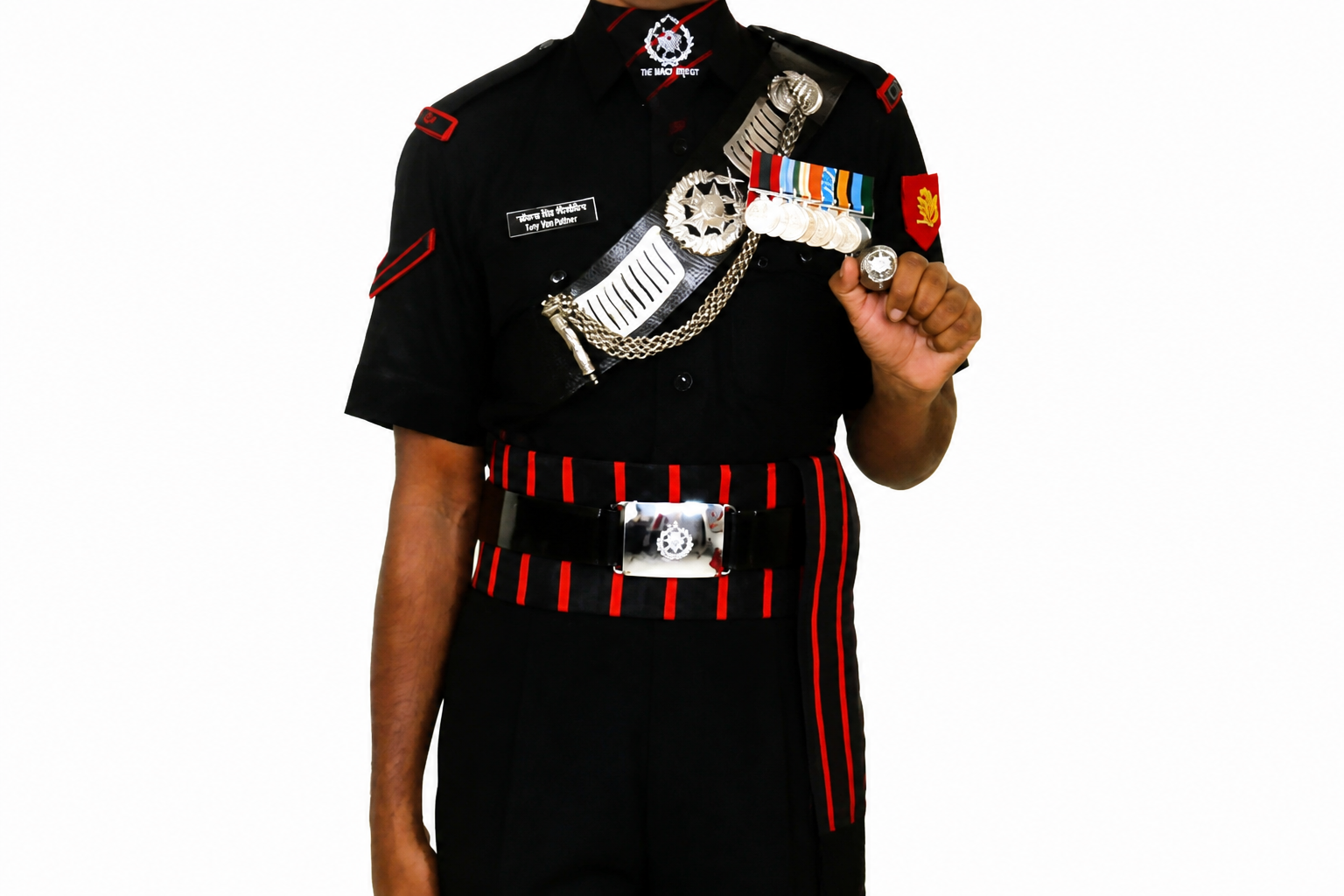
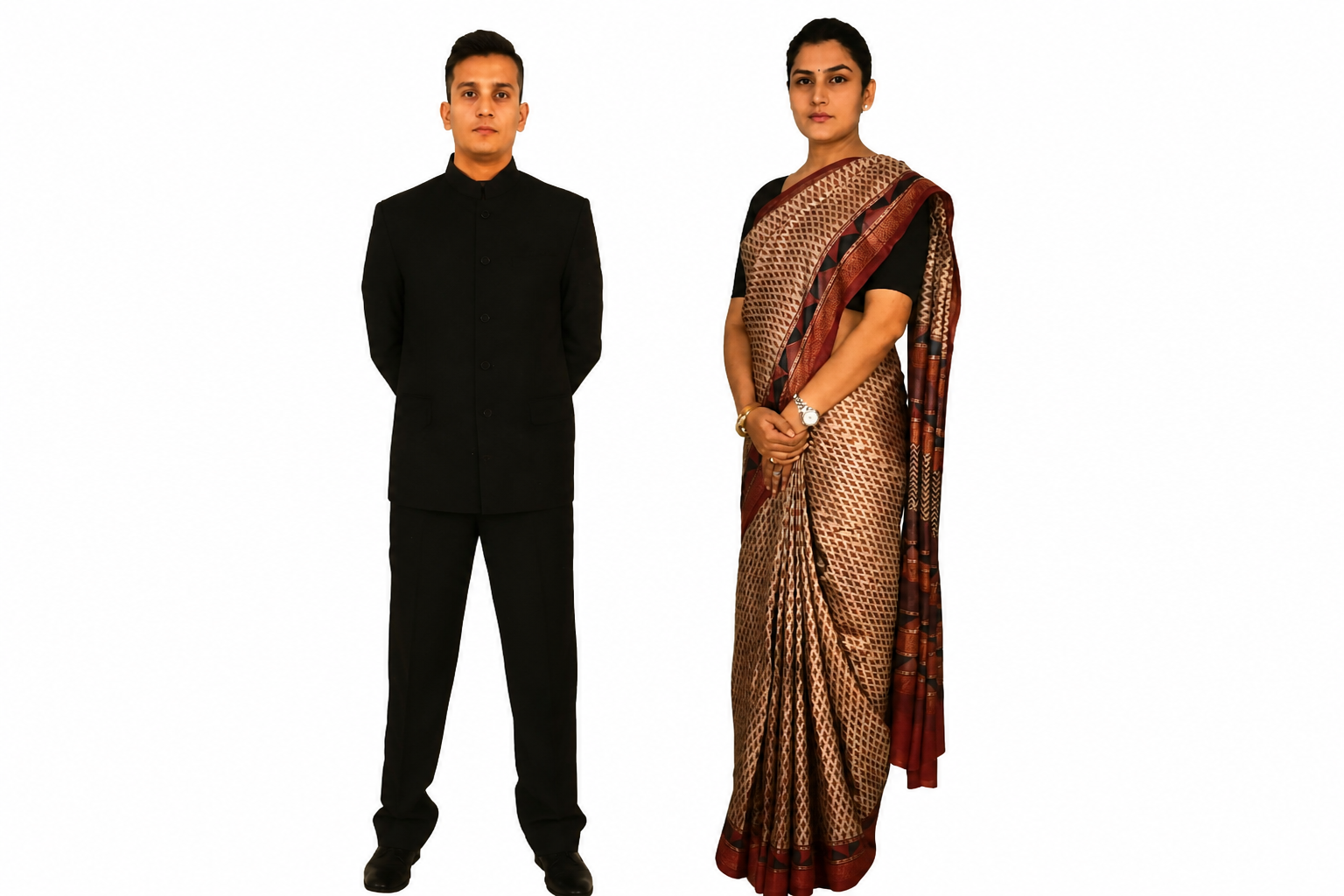
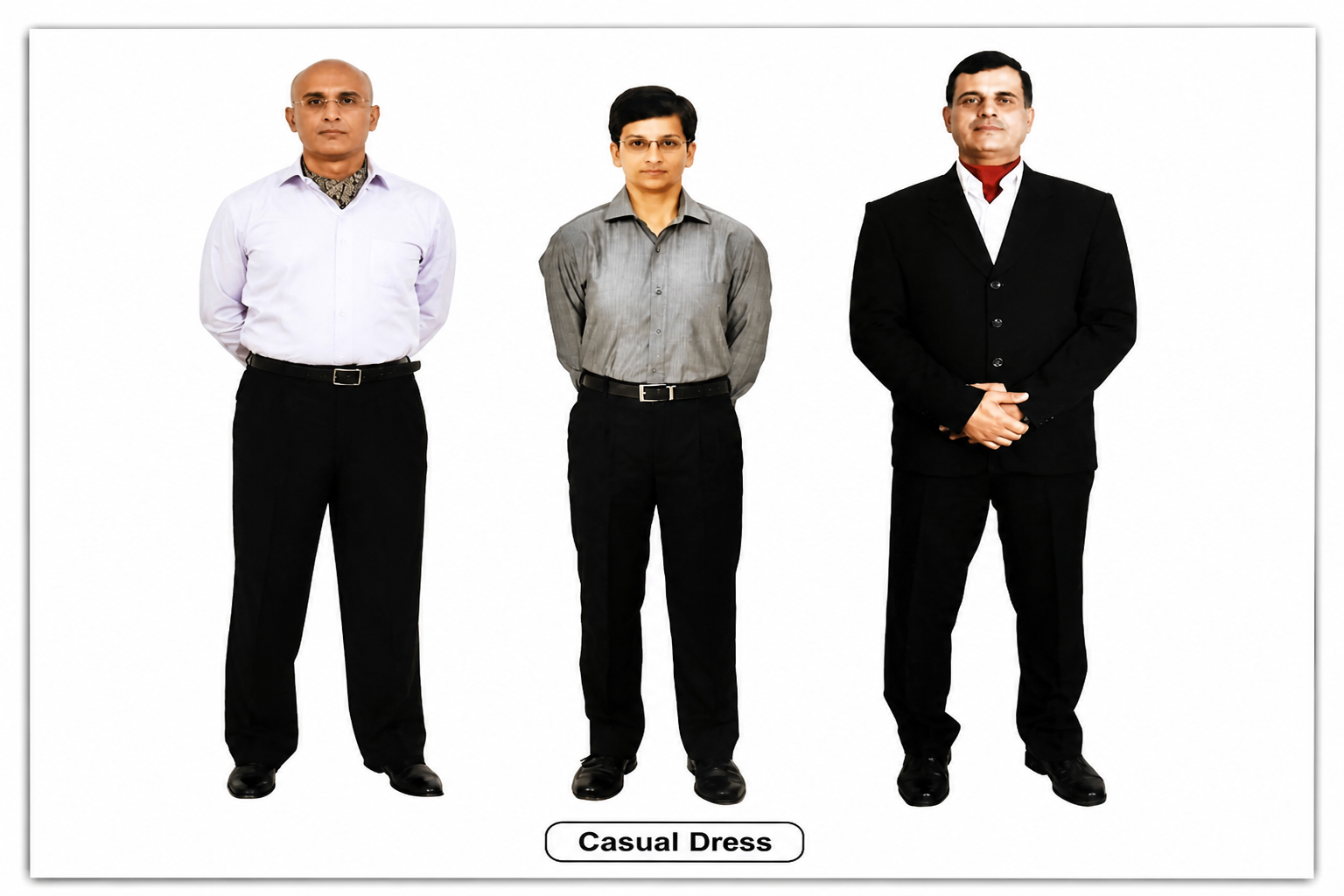
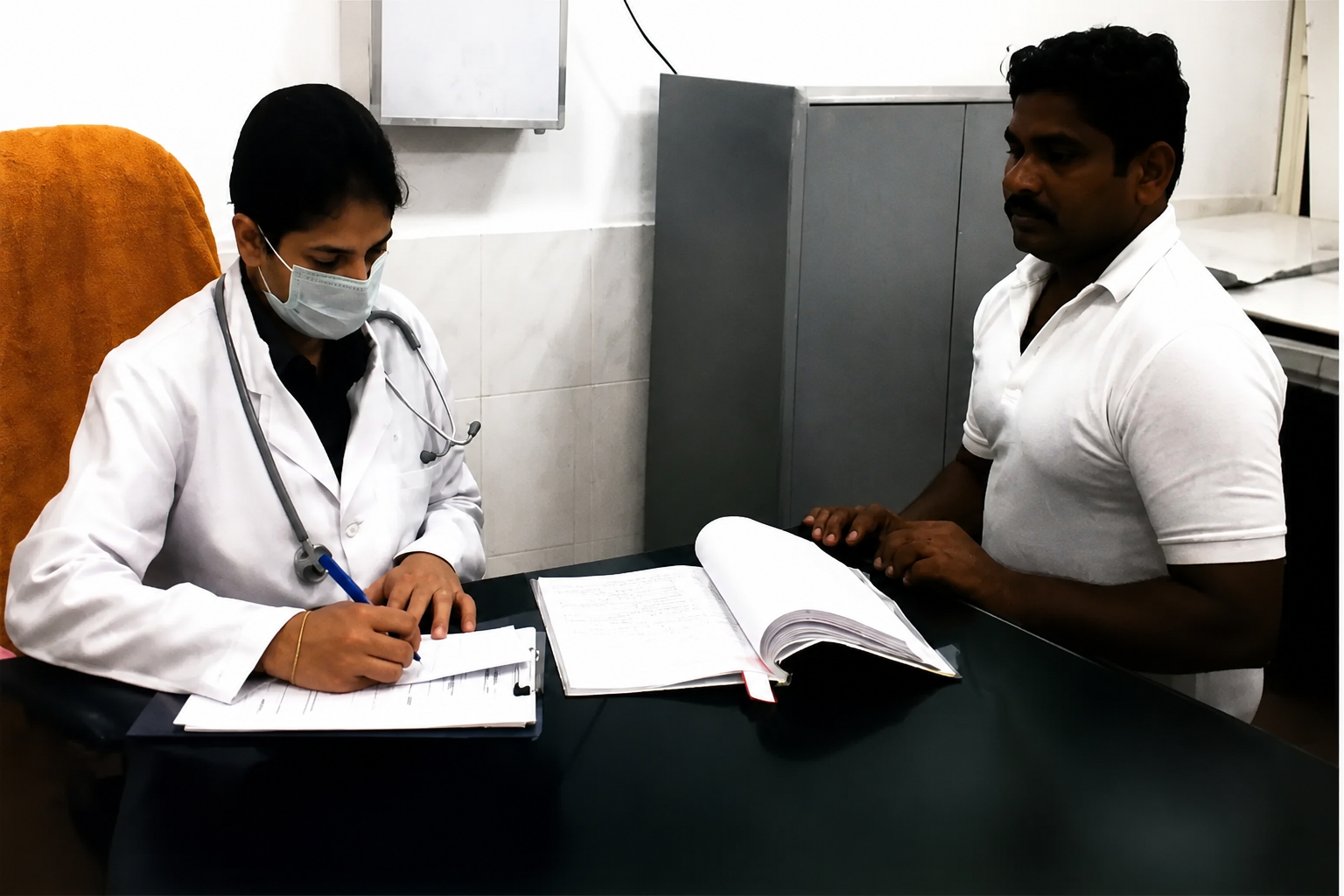
A uniform communicates discipline, identity, and the dignity of the service before a word is spoken. That is why Chapter 1 treats appearance and conduct as operationally relevant rather than cosmetic. The first question is never “What do I prefer to wear?” but “What duty, place, and occasion am I entering?” Every later rule in this lesson can be tested against uniformity, safety, security, and professional bearing.
Open each field note to inspect the purpose behind the standard.
Field notes · choose any
Powered by Arbiteria
Chapter 1 · 2 of 24
Occasion first
Start With the Occasion
Parades, formal duties, and other prescribed occasions call for the uniform ordered for that event. The requirement comes from the nature of the duty and the applicable direction, not from how formal the individual feels. When an event includes a mess or social function, the specified dress category still controls. A compliant decision begins by identifying the occasion before selecting individual garments.
Follow the policy path in order—occasion before garments.
Powered by Arbiteria
Chapter 1 · 3 of 24
Context scan
Context Changes the Dress Answer
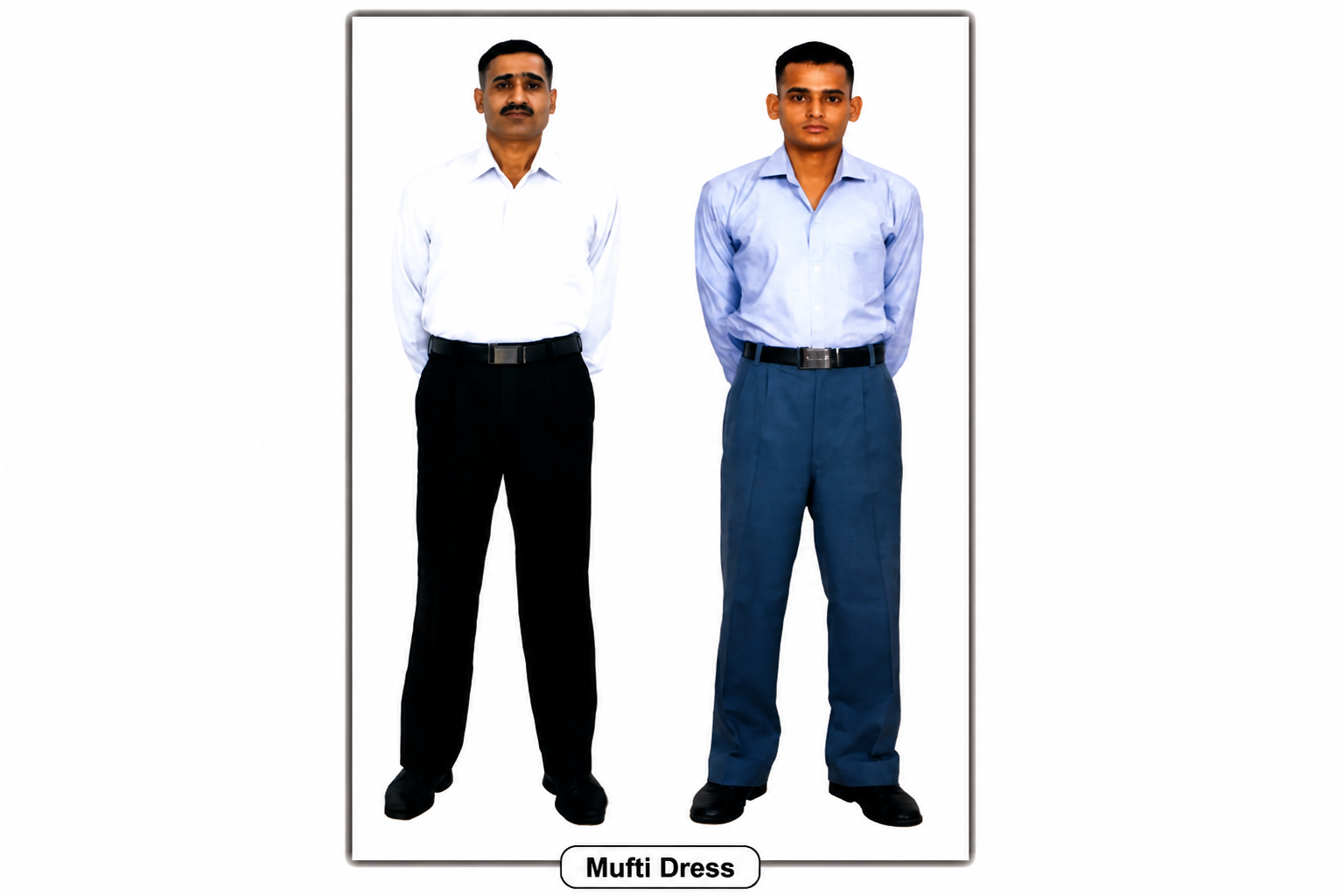
A garment that is correct for one context may be unsuitable in another. Mess functions use the prescribed formal standard, while regimental or corps mufti may apply for JCOs and other ranks where directed. Office work, vehicle use, aircraft travel, and physical training each have their own expectations because formality, movement, visibility, and safety differ. Do not generalize from one familiar setting to all others.
Compare the authorized concern for each setting.
Powered by Arbiteria
Knowledge check · 1 of 4
Which justification best supports checking the prescribed dress separately for an office task, an aircraft journey, and PT?
Powered by Arbiteria
Chapter 1 · 4 of 24
Travel exception
Plain Clothes Are Sometimes the Rule
The regulation does not assume that uniform is always the correct answer. In certain leave or travel circumstances, plain clothes are mandated or uniform is not appropriate. This protects the service’s public image and respects the purpose of the journey or activity. When a scenario involves movement away from duty, check the travel or leave instruction instead of treating uniform as the default.
Commit to the instruction, not the habit.
Powered by Arbiteria
Chapter 1 · 5 of 24
Complete category
Plain Clothes Must Still Fit the Occasion
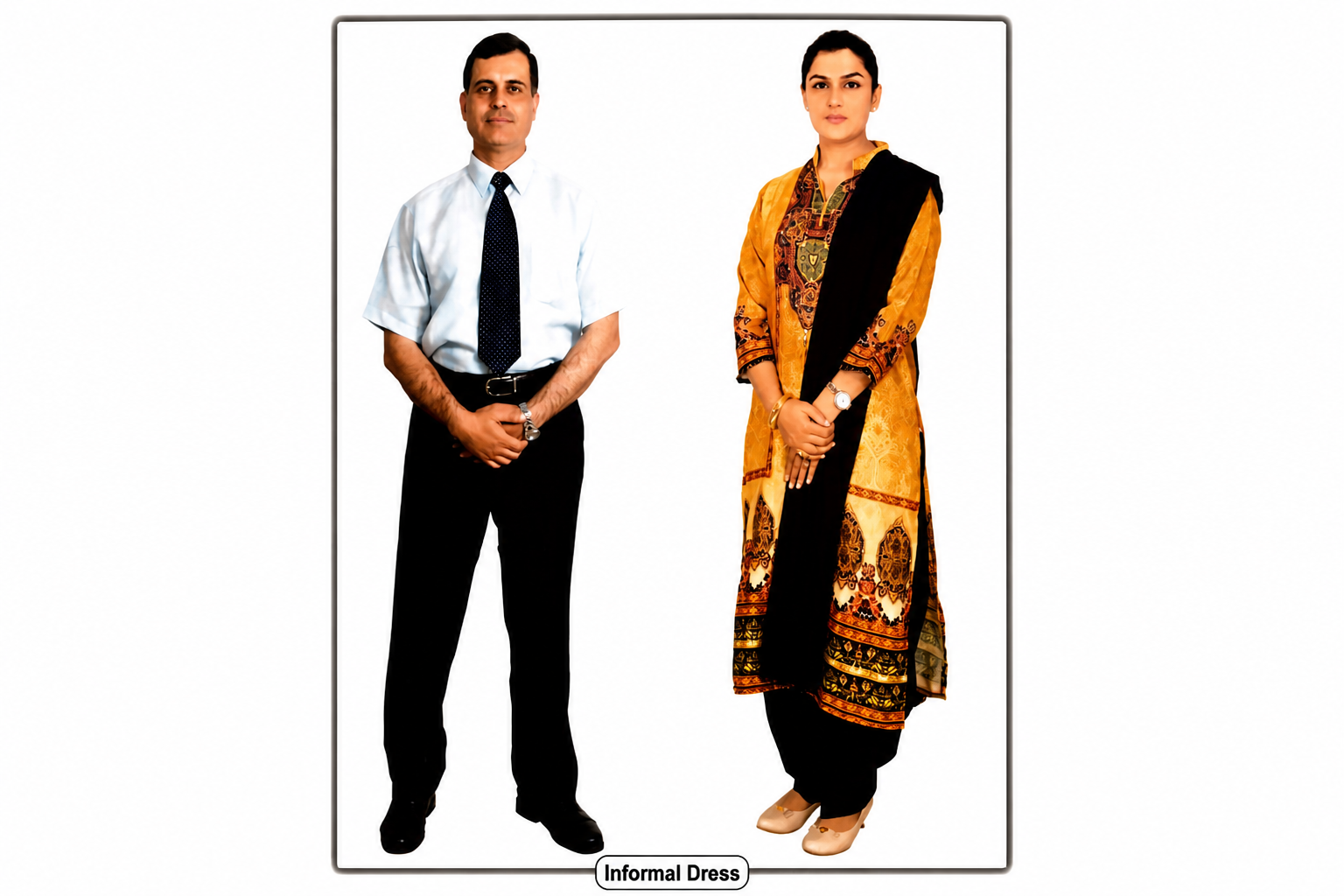
When plain clothes are directed, personnel still represent the service through professional bearing and an appropriate complete category of dress. Casualness, conspicuousness, and mixing civilian and uniform items can defeat that purpose. The correct choice is governed by the occasion and direction, not simply by the absence of uniform. This distinction prevents “plain clothes” from becoming a shortcut for unregulated personal preference.
Test the complete outfit against the occasion cue.
Powered by Arbiteria
Chapter 1 · 6 of 24
Job need
Specialized Dress Solves a Job Need
Protective dress exists because a task creates a specific hazard, hygiene need, or operational requirement. It is not an optional fashion layer and should not be substituted merely for comfort or appearance. Conversely, where protective dress is prescribed, ordinary uniform is not enough. The right question is whether the task requires that protection, then whether the authorized item is being worn correctly.
Choose the response driven by hazard or hygiene.
Powered by Arbiteria
Knowledge check · 2 of 4
Select every observation that needs a compliance check during an appearance inspection.
Powered by Arbiteria
Chapter 1 · 7 of 24
Inspection markers
Grooming Is Part of Readiness
Personal grooming is assessed as part of the uniformed presentation, not as a private matter. Male and female hair standards, the use of wigs, moustaches, beards, and shaving all have defined limits. Fingernails must also remain clean and of an appropriate length. When inspecting an appearance, notice specific observable features rather than making a vague judgment that someone looks untidy.
Mark observable checks; avoid a vague “looks neat” verdict.
Powered by Arbiteria
Chapter 1 · 8 of 24
Restraint threshold
Restraint Is the Accessory Standard
An accessory is not automatically acceptable because it is common outside service. Jewellery, make-up, cosmetics, fragrance, watches, and religious symbols must be restrained and used within the regulation’s limits. Visible trinkets can distract from uniformity or introduce a safety concern. Apply the standard to what is visible, conspicuous, or incompatible with professional appearance—not to personal taste.
Toggle each item to inspect the authorization, safety, and bearing question.
Powered by Arbiteria
Chapter 1 · 9 of 24
Policy ruling
Tattoos and Piercings Need a Policy Check
Tattoos and body piercings require deliberate policy judgment, especially when they are visible in uniform. The relevant issue is not whether the wearer considers an item meaningful or fashionable; it is whether it is permitted, must be concealed, or must be removed under the stated standard. This is also where authorized religious practice must be distinguished from unapproved conspicuous adornment. A clear rationale protects both consistency and respectful accommodation.
Rule on authorization—not personal meaning or fashion.
Powered by Arbiteria
Knowledge check · 3 of 4
Which shared reason best fits visible headphones, inappropriate sunglasses, and a conspicuous piercing?
Powered by Arbiteria
Chapter 1 · 10 of 24
Bearing check
Technology Must Stay Out of the Way
A mobile phone or audio device is not neutral merely because it is useful. Chapter 1 restricts visible carriage and use of phones, audio and video equipment, earphones, and headphones while in uniform. These items can weaken alertness, security, and the professional bearing expected in public or on duty. Evaluate the setting and the visibility of the device, then follow the restriction rather than normal civilian habits.
Choose the response that protects alertness, security, and bearing.
Powered by Arbiteria
Chapter 1 · 11 of 24
Practical boundaries
Eyewear and Weather Gear Are Still Uniform Items
Practical items become part of the appearance standard when worn with uniform. Spectacles, sunglasses, and contact lenses have rules for proper wear, including avoiding inappropriate display. Sports caps, raincoats, umbrellas, underwear, and undershirts likewise are not free-choice additions. Their purpose may be practical, but their use must remain authorized, compatible, and professional in the setting.
Sort by authorized context, not simply practical purpose.
Powered by Arbiteria
Chapter 1 · 12 of 24
Defined accommodation
Faith Accommodation Has Defined Parameters
The regulations explicitly accommodate Sikh personnel rather than treating uniformity as identical appearance for everyone. Turbans, hair, and authorized religious articles are integrated within defined parameters so that faith requirements and service standards are both respected. Accommodation is therefore a rule-based part of compliance, not an informal exception. In a travel or formal-function scenario, give guidance that preserves the authorized article of faith while still following the prescribed dress for the occasion.
Assemble the official guidance for both moments.
Powered by Arbiteria
Knowledge check · 4 of 4
Which instruction correctly advises Sikh personnel for a prescribed formal function?
Powered by Arbiteria
Chapter 1 · 13 of 24
PT category
PT Dress Is Not Casual Dress
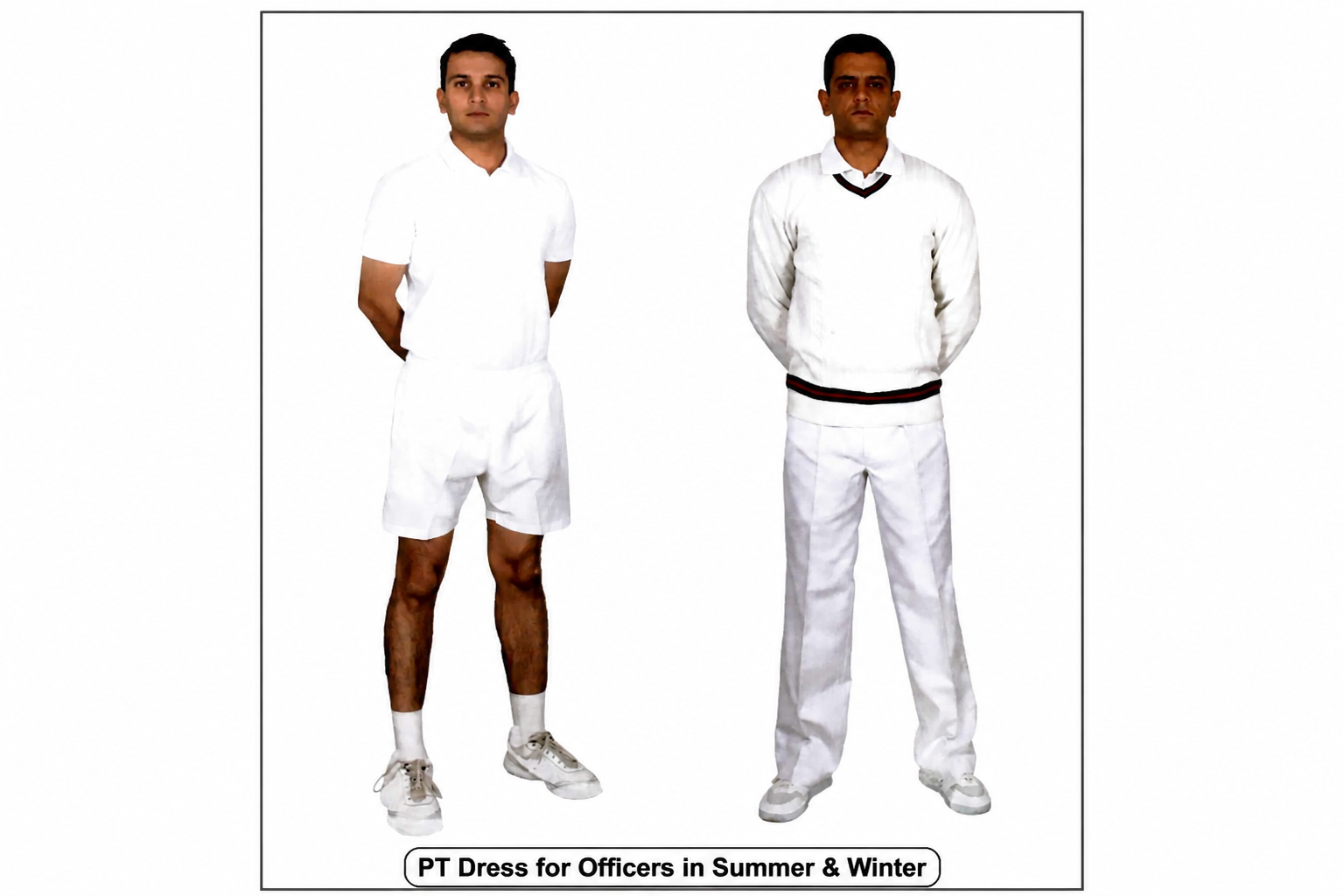
Physical training requires the prescribed PT dress because the activity calls for movement, safety, and a consistent unit standard. Seasonal versions may differ, but both remain purpose-specific authorized dress. PT attire does not become a substitute for office, travel, or social-function clothing simply because it is comfortable. Check the task first, then wear the approved category for that task.
Compare seasons with the task—not with comfort.
Powered by Arbiteria
Chapter 1 · 14 of 24
Office rule
Office Dress Still Represents the Service
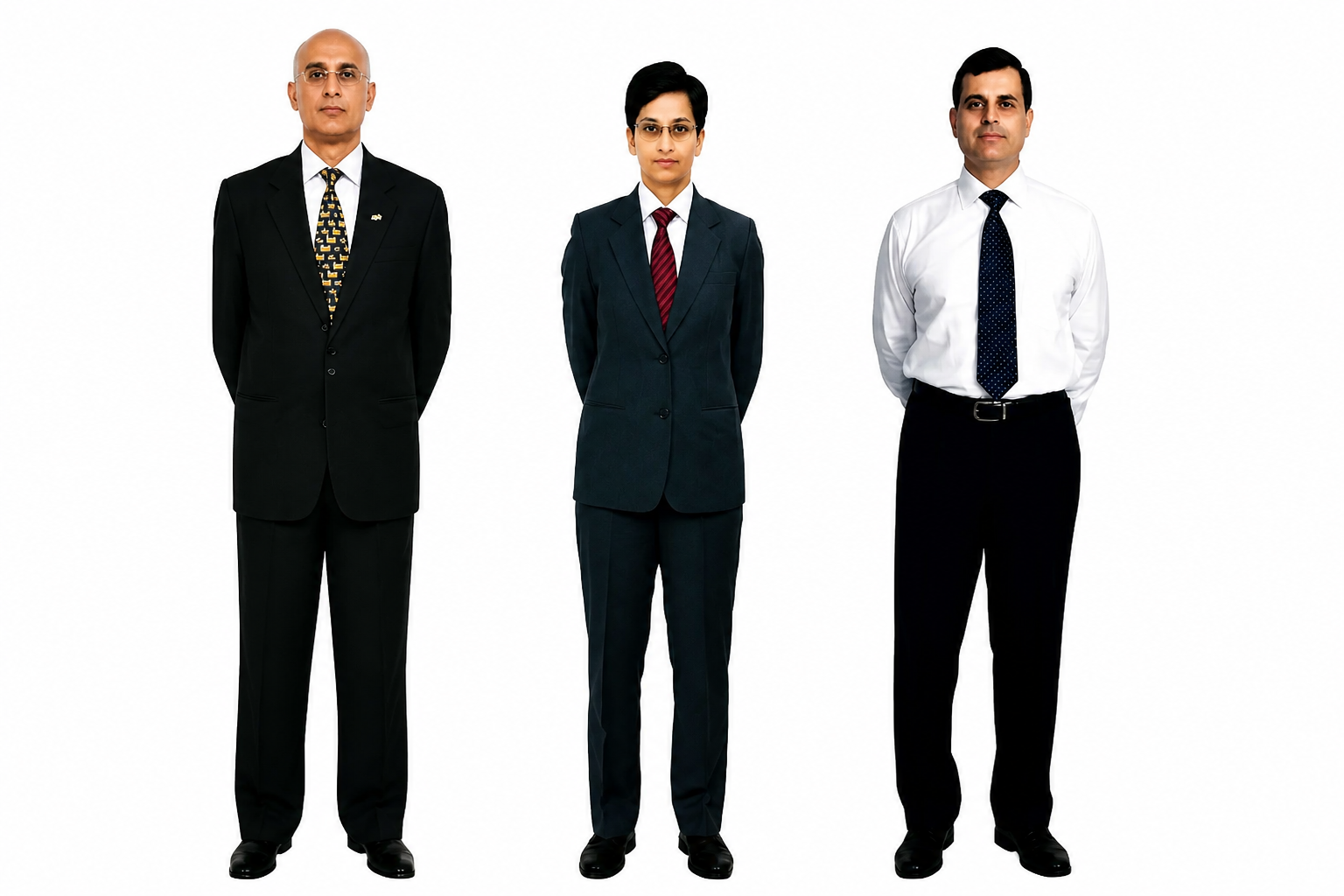
Routine office work may feel less formal than a parade, but it remains a service setting with its own dress expectation. The authorized office category and complete professional presentation still apply. Do not import a civilian business-casual assumption simply because the work is administrative. The same context-first method resolves the office decision: identify the duty, consult the applicable direction, and wear the complete prescribed category.
Use duty, direction, and complete-category tests.
Assessment
Assessment Starting
You are about to begin the assessment. Select the best answer for each question.
Powered by Arbiteria
Final assessment · 1 of 5
A soldier is travelling in circumstances for which the applicable instruction mandates plain clothes. What is the compliant choice?
Powered by Arbiteria
Final assessment · 2 of 5
Select the one item requiring correction: clean short nails; a conspicuous bracelet; hair meeting the prescribed standard; restrained authorized cosmetics.
Powered by Arbiteria
Final assessment · 3 of 5
Classify: earphones while walking in uniform; authorized corrective spectacles; conspicuous unapproved body piercing.
Powered by Arbiteria
Final assessment · 4 of 5
Write two short directives for an observant Sikh soldier’s official flight and later mess function.
Powered by Arbiteria
Final assessment · 5 of 5
Which supervisor’s advice best applies the final don’ts check before public duty?
Powered by Arbiteria
Assessment review
Your Result
0%
Your review will appear here.
Powered by Arbiteria
🎉 You passed!
Enter your name to generate your certificate:
Keep going!
You need 80% to earn your certificate. Review the lesson and try again.